Pool Maintenance Made Easy: Helpful Advice for a Crystal-Clear Oasis
Maintaining a crystal-clear pool is vital check now for both aesthetics and swimmer comfort. Consistent focus on water balance, cleaning methods, and filter maintenance can make the process easier. Understanding the right tools and methods is key for effective upkeep. As seasons shift and typical problems arise, preventative steps become increasingly necessary. What methods can homeowners use to keep their pools welcoming and enjoyable across every season?
Getting Started With Pool Maintenance
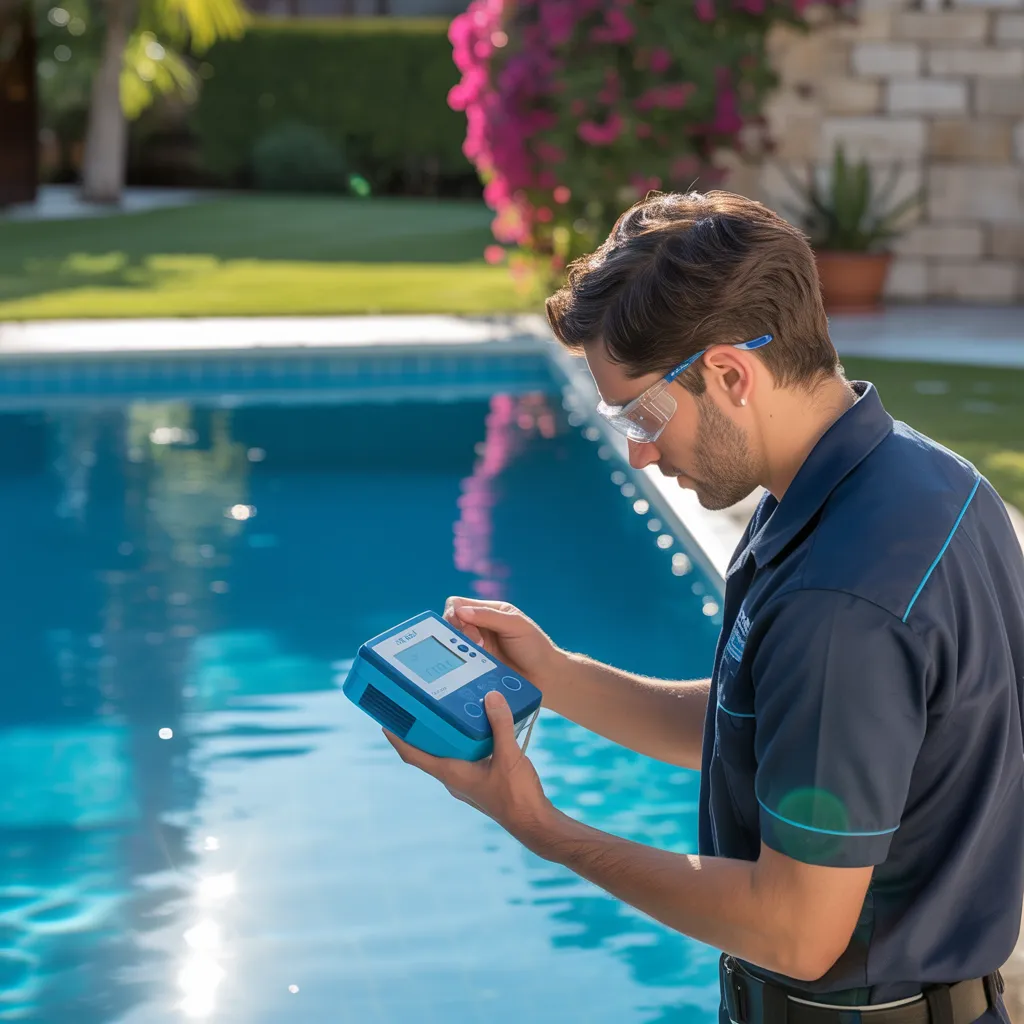
Beginning pool maintenance requires understanding essential tasks that guarantee the water remains clean and safe for use. Routinely monitoring and balancing water chemistry is crucial, as it prevents algae growth and maintains swimmer comfort. This means keeping track of pH levels, chlorine, and alkalinity.
Furthermore, skimming the surface for debris should be done frequently to keep the water clear. Scrubbing the pool walls and floor aids in preventing buildup and unsightly discoloration, boosting the pool's visual appeal.
Routine filter maintenance, such as cartridge replacement or backwashing, maintains proper circulation and filtration.
Additionally, monitoring water levels is critical; evaporation often results in water imbalances. By adhering to these fundamental maintenance tasks, those who own pools can maintain a clean swimming space, making their aquatic escape comfortable and protected for loved ones and guests.
Key Tools for Effective Pool Maintenance
Successful pool care requires the right tools to guarantee cleanliness and water quality. Essential cleaning equipment, water testing kits, and an all-encompassing maintenance accessories checklist establish the basis for an effective maintenance routine. Recognizing these important tools can ease the process and improve the lifespan of any swimming pool.
Key Cleaning Apparatus
A crystal-clear pool commences with the right cleaning equipment, essential for maintaining water clarity and hygiene. A skimmer net is vital for removing leaves and debris from the surface, guaranteeing a clean swimming area. A pool vacuum, whether manual or automatic, effectively cleans the pool floor and walls, clearing away dirt and algae deposits. Moreover, a brush is effective at removing tough stains and ensures the pool surfaces stay smooth. A premium pool cover helps stop debris from collecting when the pool is not in use, reducing cleaning time. In addition, a leaf rake proves useful for collecting bigger debris from the bottom. As a whole, these tools form a complete cleaning system, leading to a clean and appealing pool atmosphere.
Water Analysis Kits
Trustworthy water testing kits are crucial for preserving a clean pool environment. These products allow pool owners to reliably measure critical chemical levels, including calcium hardness, pH, chlorine, and alkalinity. Consistent testing guarantees that water is kept balanced, preventing issues such as algae growth and skin irritation. The majority of kits are easy to use, providing color-coded charts for simple reading of results. Certain premium models even offer digital readouts for improved exactness. It is advisable to perform weekly water tests during peak swimming season and every two weeks in cooler months. By consistently monitoring water quality, pool owners can implement prompt changes, guaranteeing a pleasant and safe swimming experience for all. Investing in a reliable testing kit is a essential step in successful pool management.
Maintenance Accessories Overview
Ensuring a clean and safe pool calls for several key tools. A dependable skimmer is essential for clearing debris from the water's surface, while a pool brush helps keep walls and floors free from algae and dirt. A vacuum, whether handheld or robotic, is indispensable for deep cleaning and keeping the pool in immaculate condition. Water testing kits are vital for tracking chemical levels, and a proper maintenance kit should include chlorine tablets and algaecides. Additionally, a durable pool cover protects against leaves and contaminants when the pool is not in use. In addition, maintaining a collection of replacement parts, including filter cartridges and hoses, ensures that maintenance problems can be quickly handled, promoting long-term pool health and durability.
Pool Maintenance: How to Balance Water Chemistry
Maintaining water chemistry is vital for a safe and enjoyable swimming experience. Correct chemical balance not only ensures clear water but also safeguards swimmers from dangerous microorganisms and irritants. Critical factors to monitor include alkalinity, pH levels, chlorine, and calcium hardness.
The recommended pH range generally falls between 7.2 and 7.8, and maintaining this balance helps chlorine work effectively and minimizes skin irritation. Chlorine levels should be maintained between 1-3 parts per million (ppm) to properly sanitize the pool. Alkalinity serves as a pH buffer, with ideal levels between 80-120 ppm, while calcium hardness should ideally be around 200-400 ppm to avoid corrosion or scaling.
Routine checking with a dependable kit is crucial. Changes can be applied using specific chemicals, such as pH balancers and adjusters, chlorine shock treatment, and alkalinity boosters. Consistent assessment leads to a well-balanced pool setting for swimmers to enjoy.
Cleaning Your Pool: Skimming, Vacuuming, and Brushing
Cleaning a pool requires an organized method that includes brushing, skimming, and vacuuming. Effective skimming techniques can remove debris from the surface, while vacuuming guarantees the bottom is free of dirt. Proper brushing methods help maintain the walls and floor, enhancing general cleanliness and water clarity.
Essential Skimming Methods
Keeping a pool's surface skimmed is crucial for preserving clear and welcoming water. The method requires a skimmer net to clear away debris including leaves, bugs, and dirt that collect on the water's surface. It is most effective when performed regularly, ideally daily, to prevent buildup and maintain water quality. The correct approach requires guiding the net in a smooth, sweeping motion over the surface, letting debris gather in the net without excessively disturbing the water. Regular emptying of the skimmer is necessary to maintain top performance. Additionally, positioning the skimmer near areas where debris tends to gather, such as under trees, can enhance efficiency. Regular skimming supports a cleaner pool atmosphere and improves the overall swimming experience.
Vacuuming Strategies for Better Efficiency
Maintaining a pristine pool involves more than just skimming the surface; vacuuming is essential to achieving thorough cleanliness. To achieve the best results, vacuuming in designated sections is key, making certain that every section is carefully addressed. Beginning at the shallow end and progressing toward the deep end helps debris move naturally with the vacuum, lowering the likelihood of debris buildup and clogging. Moreover, opting for a vacuum with variable suction settings allows it to manage different debris types, from fine silt to larger leaves. Regularly checking and cleaning the vacuum filter will maintain peak performance. Planning vacuum sessions when pool usage is minimal can further improve cleaning results, facilitating continuous cleaning efforts and fostering a clearer, more hygienic swimming space.
The Right Brushing Techniques
Even though vacuuming is vital for pool maintenance, proper brushing methods are equally important in maintaining a sparkling swimming environment. Consistent brushing assists in eliminating algae, grime, and particles that can build up on the pool's surfaces and base. Employing a brush with nylon or stainless steel bristles, based on the pool's surface type, ensures thorough cleaning without inflicting harm. It's advisable to brush the walls in a downward motion, starting from the waterline and moving towards the bottom. Steps and corners deserve special focus, since they frequently trap dirt and buildup. Brushing ought to be included in a weekly upkeep plan to support water circulation and minimize sediment buildup. This basic routine makes a notable difference to the overall cleanliness and aesthetics of the pool.
Why You Should Keep Your Pool Filter in Check
Guaranteeing a pool filter is in optimal condition is vital for preserving clean and clear water. A properly working filter efficiently eliminates debris, dirt, and contaminants, preventing them from clouding the pool. Consistent monitoring and servicing can considerably increase the lifespan of the filter, minimizing the requirement for costly replacements.
Obstructed or faulty filters can cause insufficient water flow, which can result in the development of algae and various water quality problems. This not only affects the aesthetic appeal of the pool but can also pose health risks to swimmers.
Servicing or changing filter media on a regular basis is crucial, as it secures superior filtration performance. Additionally, tracking pressure gauges makes it easier to recognize when servicing is needed, facilitating prompt action. By ensuring the pool filter is well-maintained, pool owners can experience a clean and welcoming swimming environment, ultimately enhancing their general swimming satisfaction.
Pool Care Tips Throughout the Seasons
With each change of season, pool operators must adapt their maintenance routines to secure ideal water quality and equipment efficiency. In spring, it is important to clear away debris, test pool chemistry, and confirm that filtration systems are functioning properly. Regular brushing and vacuuming will aid in preventing algae growth as temperatures rise.
Throughout the summer season, keeping chlorine levels at their ideal range is essential as a result of greater pool demand. Testing the water weekly and adjusting pH levels will ensure the water remains clean and appealing. In addition, skimming the surface frequently will minimize debris accumulation.
As fall approaches, falling leaves can obstruct filters, so regular cleaning becomes essential. It is equally important to lower the water level and winterize equipment if closing the pool for winter.
In winter, keeping a consistent check on water levels and confirming that pumps are safeguarded against freezing is essential. Following these seasonal practices will guarantee a well-maintained, clean pool year-round.
How to Address Common Pool Concerns
What steps can pool owners take to troubleshoot common pool problems? To begin, they should consistently analyze the water chemistry, paying close attention to pH, alkalinity, and chlorine levels. A chemical imbalance frequently results in cloudy water or algae growth. Additionally, examining the filtration system is critical; a contaminated or defective filter can reduce water clarity. When the water looks green, a shock treatment could be needed.
Moreover, inspecting skimmers, return lines, and pool walls for leaks can help avoid substantial water loss. For problems with the pool surface, such as debris or stains, it is recommended that owners regularly brush the walls, floor, and vacuum the pool. Finally, if the pool pump is making noise or underperforming, it may need to be serviced or replaced. By adhering to these guidelines, pool owners can effectively identify and resolve common problems, maintaining a clean and inviting pool environment.
Questions We Are Often Asked
How Often Should I Test My Pool Water?
Pool water should be tested a minimum of once per week to maintain proper chemical balance. During heavy usage or after significant rainfall, more frequent testing may be necessary to preserve optimal water quality and safety.
Are Regular Household Cleaning Products Safe for My Pool?
Using regular household cleaners in a pool is not advisable. These solutions can interfere with the chemical balance, cause harm to pool surfaces, and introduce health concerns. For maintaining water quality and safety, specialized pool cleaners are the recommended choice.
What Should I Do if My Pool Turns Green?
If a swimming pool turns green, the pool owner should shock the water with chlorine, test the pH levels, guarantee proper filtration, and remove any debris. Regular maintenance afterward will help prevent future algae growth and maintain clarity.
How Do I Choose the Right Pool Cover?
To pick the right pool cover, one should consider factors like material durability, suitability for your climate, ease of use, and protective features. In addition, examining the size and shape of the pool secures a precise fit and thorough coverage.
Is Eco-Friendly Pool Maintenance an Available Option?
Eco-friendly pool maintenance options are indeed available. Solar pool covers, non-toxic chemicals, biodegradable cleaners, and natural filtration systems are all part of these solutions. These approaches help lower environmental impact while ensuring a clean and safe pool environment.